
Landscape Restoration
Soil degradation, climate change, deforestation, flooding and water scarcity threaten food security, rural incomes and ecosystem resilience.
We respond with a modular, business driven landscape restoration approach that directly links environmental rehabilitation to profitable agriculture, entrepreneurship and local economic development.
At the heart of the approach is our Horti-Hub, a district based platform combining a lead farmer demonstration farm, training and classroom facilities, agribusiness incubation and public-private landscape coordination, designed so that restoration is embedded in value chains and market systems rather than depending on donor funding alone.
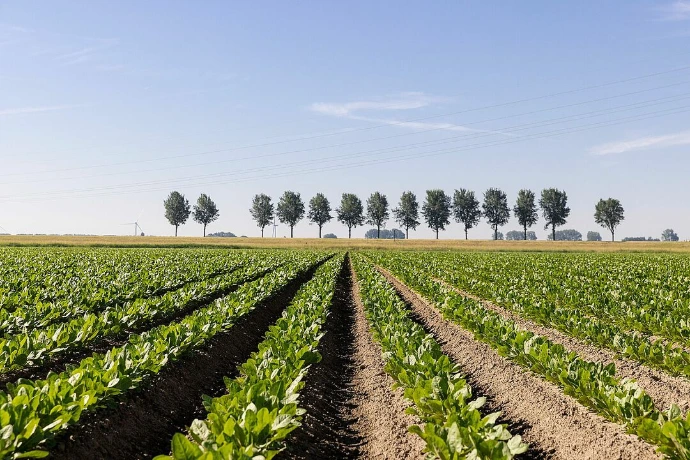
What we do;
- Diagnose landscapes at micro-catchment scale, analyzing how soil, water, crops, farmers and markets interact before designing interventions.
- Establish Holland Greentech Horti-Hubs: demonstration farms, training and classroom facilities, nursery and seedling production, irrigation technologies, and aggregation and market access points.
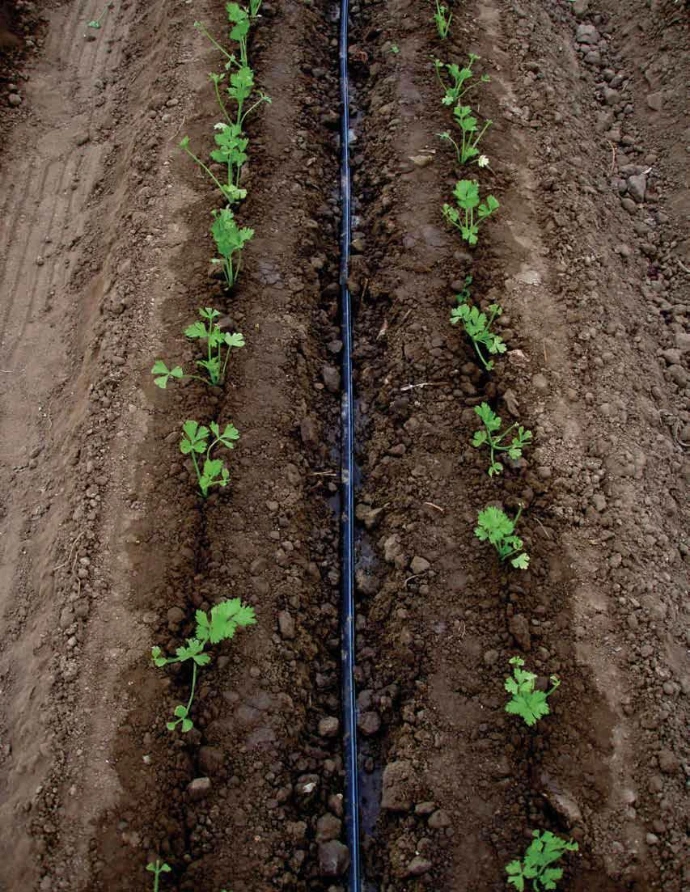
- Deliver climate smart agriculture: drip and solar irrigation, crop diversification, integrated pest management, and water use efficiency.
- Restore soils through composting, mulching, cover cropping and erosion control.
- Apply nature based solutions and water protection: riparian buffers, terraces, agroforestry, and wetland restoration.
- Strengthen water stewardship and catchment management: rainwater harvesting, groundwater recharge, and basin authority coordination.
- Build value chains and market access: aggregation centres, cold storage, processing, and contract farming.
- Support entrepreneurship and green job creation: youth incubation, SME development in irrigation, nurseries and composting.
Our Approach: From Skills to Economic Impact
We apply a practical five step methodology that moves from technical diagnosis to economic transformation:
Diagnosis → Co-Design → Productive Use → Anchor Models → Horti-Hubs at scale.
The same logic underpins our six stage Horti-Hub Transformation, tracing the shift from a degraded landscape to a sustainable, climate resilient food system:
Degraded Landscape → Horti-Hub Establishment → Module Implementation → Capacity Building → Market Access → Sustainable Landscape.
- Diagnosis — Understanding the landscape as a connected system (soil, water, crops, farmers, markets), not a collection of individual farms
- Co-Design — solutions co-designed with farmers, farmer organizations, agribusinesses, government extension, NGOs, conservation actors and financiers, engaging farmers as entrepreneurs rather than beneficiaries
- Productive Use — soil restoration, water management, agroforestry and diversified systems
- Anchor Models — every restoration pathway linked to a business model, so restoration becomes self reinforcing because it improves profitability, not just resilience
- Horti-Hubs at scale — demonstration farms, training facilities, agribusiness incubation, Training of Trainers, and integration with public-private extension services
Impact Areas Aligned
Job Creation
- Green jobs created through nursery, compost, irrigation service and aggregation enterprises incubated at each Horti-Hub.
Improved Incomes
- Higher yields and incomes for farmers is treated as a core measure of success for every restoration site.
Green Growth
- Restoration targets across our proposals range from roughly 200 to over 1,000 hectares restored per district, alongside riparian buffer rehabilitation and new nursery enterprises.
Our Added Value
We structure landscape restoration as a three party model: external landscape conservation, community governance and government partners; we are also part of it, contributing climate smart horticulture, training, technology and market access; and farmer cooperatives, handling farmer mobilization, landscape stewardship and hub management.
Rather than depending primarily on donor funding, we embed restoration into value chains and enterprise development, so that at least one hub component; a nursery, agro-shop, irrigation service, aggregation hub or compost enterprise, operates as a commercial engine generating recurring cash flow.
This is what is meant to make restoration self reinforcing. It is designed to improve farmer profitability, not resilience alone.
Project Case
Musanze Horti-Hub
Organization
Partnership between the African Wildlife Foundation (AWF), the Rwanda Development Board (RDB) and Holland Greentech, evidenced by an on-site partnership signboard listing a greenhouse and nursery, sorting, packaging, storage and a Farmer Training Center.
Project Details
A Horti-Hub near Volcanoes National Park in Musanze, Northern Province, Rwanda, connecting horticulture development to the protection of the park.