
Development of Practical Education & Knowledge Hubs
In many African markets, the key challenge is not a lack of knowledge, but a lack of systems that convert knowledge into viable businesses and functioning value chains.
Holland Greentech addresses this by building Knowledge Hubs that combine training, entrepreneurship, technology and market access into one coherent model.
These integrated platforms give farmers, especially youth and women, hands on skills that directly improve their farming businesses, from soil health and production planning to resilience and profitability.
Our Knowledge Hubs are run by local experts and treated as a lasting part of the local landscape rather than short term projects, staying close to realities on the ground.
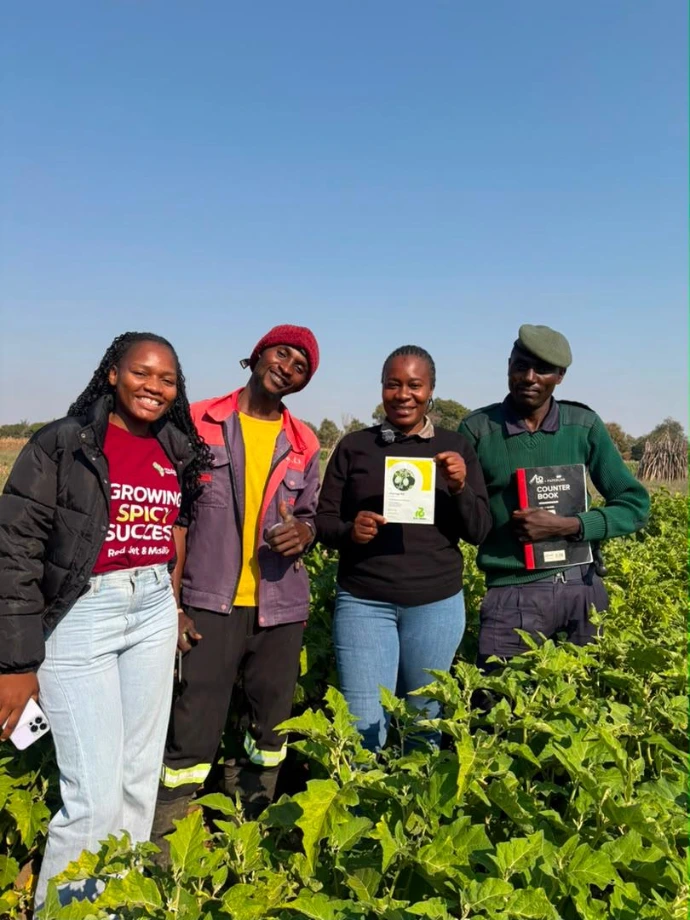
What we do;
- Practical, hands on training for farmers, youth and agripreneurs.
- Input supply systems (seeds, irrigation, greenhouses, biologicals).
- Climate smart agricultural technologies.
- Market linkages & value chains.
- Access to finance.
- Regional development / landscape restoration.
- Building viable business cases and SME / service provider support.
- Training curricula spanning technical topics (climate resilient farming, precision agriculture, soil management, integrated pest and disease management, irrigation, greenhouse and nursery management), financial topics (financial literacy, farming as a business, cashflow planning, market research) and other topics (food safety, PPE use, outgrower schemes, cooperation among small scale farmers)
Our Approach: From Skills to Economic Impact;
Our development pathway follows a structured progression:
Training → Skills → Employment → Enterprise Creation → Value Chain Development → Regional Economic Growth.
- Skills development (3 months) — Practical training builds foundational skills in climate smart agriculture and business basics, leading directly to employment in farming, nurseries and agricultural services.
- Entrepreneurship / enterprise creation (9 months, Farming as a Business) — Training of Trainers and demonstration plots produce investable business cases and enterprise development.
- Placement and work experience (months 12–24) — work experience, finance linkages and market access support create job ready agripreneurs integrated with SMEs, alongside continued demonstration plots and decentralized ToT outreach.
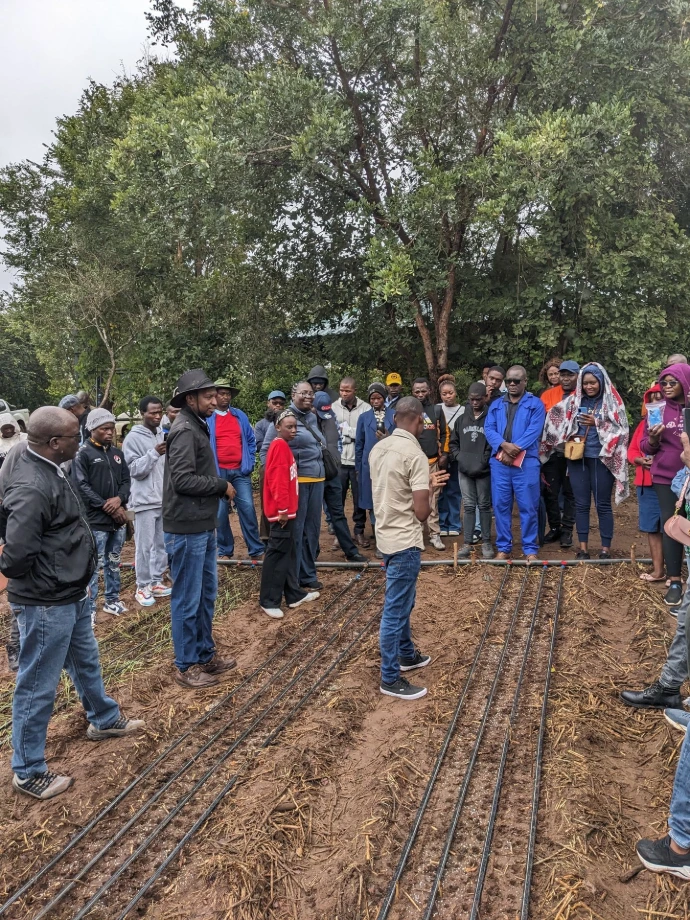
Impact Areas Aligned
Job Creation
- Direct jobs (farming, nurseries, services).
- Indirect jobs across value chains.
- Agripreneur and SME development.
Improved Incomes
- Higher productivity & yields.
- Better market access.
- Stronger business skills.
Green Growth
- We promote climate smart agriculture.
- Efficient energy & water use.
- Reduced pesticide use.
- Improved soil health.
- Reduced post harvest losses.
- Improved waste management.
Our Added Value
Our Knowledge Hubs are business driven models built on revenue streams, private sector integration and local ownership.
We build hubs that remain operational beyond project timelines through self sustaining economic ecosystems. The aim is not to build training centres, but self sustaining economic ecosystems.
In one example, a demonstration farm in Rwanda sells all its produce, covering its own operating expenses. Because hubs are run by local experts, they stay close to realities on the ground, making the work more relevant, effective and sustainable.