Soil, water and plant analysis
From guesswork to data driven decisions
Our diagnostic laboratory tests soil, irrigation water, drinking water, plant tissue, mineral fertilisers and compost, with clear fertiliser advice.
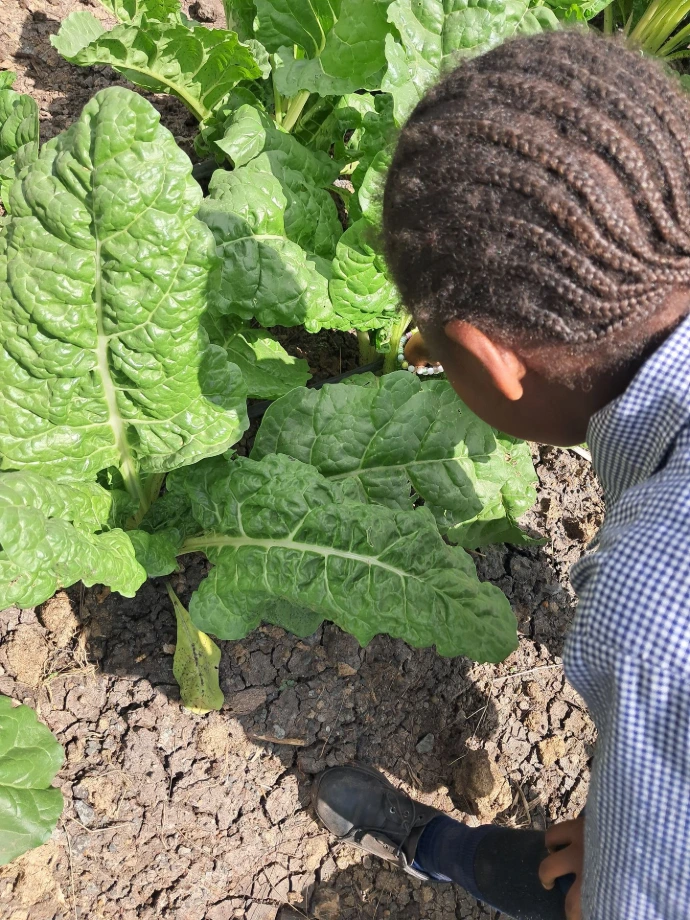
What we test
A full diagnostic service
This includes screening for maximum residue levels (MRL) in crops and heavy metals in water, soil and compost, both increasingly required for export market compliance and food safety certification.
Results for simple tests take about two days or less, and around a month for more complex residue and heavy metal analysis.
What you get
- ✓Soil fertility mapping to guide precise, cost effective fertiliser application instead of blanket dosing.
- ✓Early detection and management of soil borne diseases before they spread across a plot.
- ✓Water quality testing to catch salinity, contamination or nutrient imbalances that silently reduce yields.
- ✓Compost and fertiliser quality checks to verify inputs are safe and effective before use.
How it works
Four steps to better nutrition
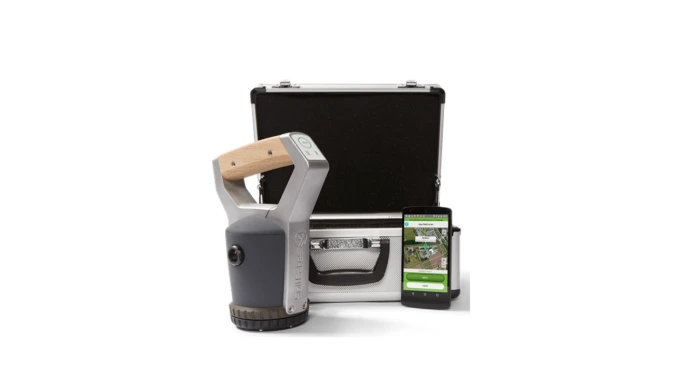


Together, these diagnostics reduce input waste, protect soil health over the long term and increase marketable yield.
Ready to get started?
Tell us about your farm and our team in your country will advise you on the right products.